
Facial aesthetics has become one of the fastest growing areas within the beauty and medical aesthetics industry. With increasing demand for non surgical cosmetic treatments, more people are exploring facial aesthetics courses as a pathway into a rewarding and flexible career. For beginners, understanding what these courses involve and whether they are suitable is an important first step.
This complete beginner’s guide explains facial aesthetics courses in detail, including what they cover, who they are for, entry requirements, learning structure, and the career opportunities they can lead to.
What Are Facial Aesthetics Courses
Facial aesthetics courses are professional training programmes designed to teach non surgical cosmetic treatments that enhance facial appearance. These treatments focus on improving skin quality, facial balance, and overall aesthetic outcomes without invasive surgery.
Purpose of Facial Aesthetics Training
The purpose of facial aesthetics courses is to equip learners with the knowledge, skills, and confidence to deliver safe and effective aesthetic treatments. Training focuses on anatomy, consultation, treatment techniques, safety, and aftercare to ensure professional standards are met.
Treatments Commonly Covered
Beginner facial aesthetics courses may introduce or prepare learners for treatments such as:
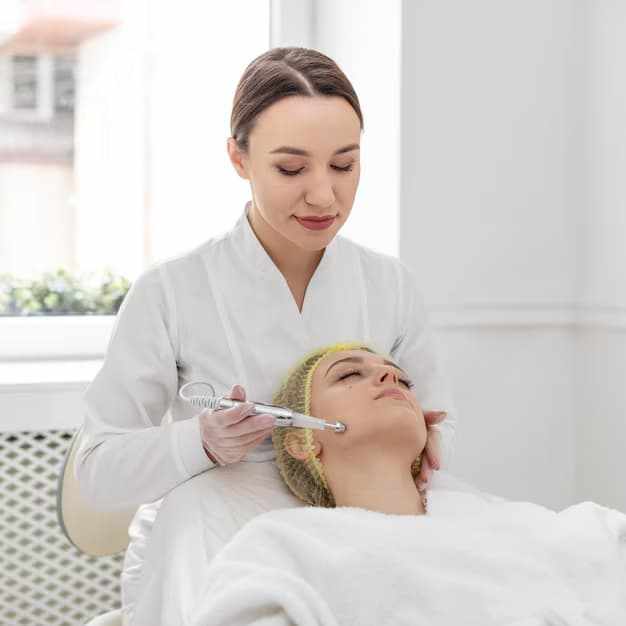
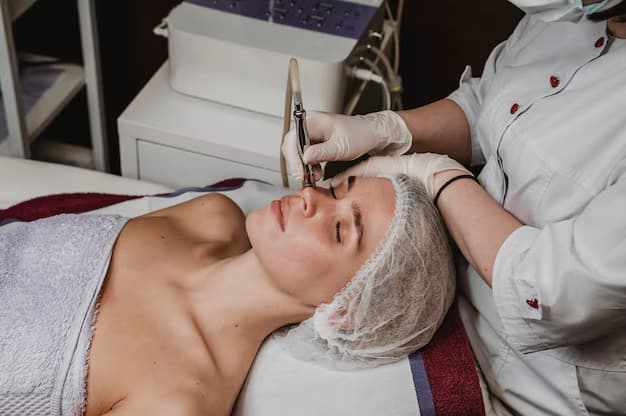
Skin rejuvenation and advanced facial treatments
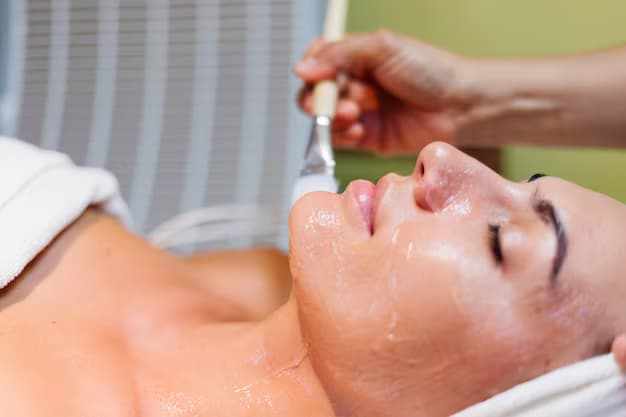
Chemical peels and skin resurfacing techniques
Microneedling and collagen stimulation
Skin boosters and hydration treatments
Facial assessment and treatment planning
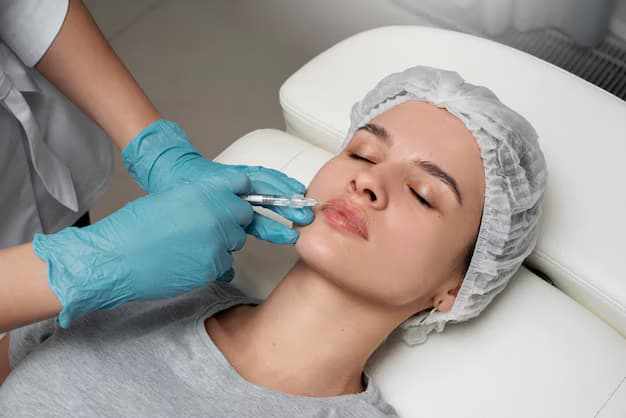
Injectable treatments are often covered in separate or advanced courses depending on learner eligibility and regulations.
Who Facial Aesthetics Courses Are For
Facial aesthetics courses are suitable for a range of learners depending on course level and entry requirements.
Beginners New to Aesthetics
Some facial aesthetics courses are designed specifically for beginners with no prior experience in aesthetics. These courses focus on skin health, facial anatomy, and non invasive treatments to build a strong foundation.
Beauty Professionals
Qualified beauty therapists, skincare specialists, and facialists often take facial aesthetics courses to expand their treatment menu and progress into advanced skin treatments.
Medical Professionals
Nurses, doctors, and dentists may undertake facial aesthetics courses to enter or expand within the aesthetics field, particularly where injectables are involved.
Career Changers
Individuals looking to move into the aesthetics industry from another profession may begin with beginner friendly facial aesthetics courses that focus on theory, skin science, and non invasive procedures.
Entry Requirements for Facial Aesthetics Courses
Entry requirements vary depending on the type of course and treatments included.
Non Invasive Facial Aesthetics
Beginner courses focusing on non invasive treatments often have minimal entry requirements. Learners may only need to meet age criteria and demonstrate an interest in skincare or beauty.
Advanced and Injectable Courses
Courses involving injectables or medical procedures typically require a recognised medical or healthcare qualification. Some advanced courses may also require prior aesthetics or beauty training.
Personal Qualities
Successful learners usually demonstrate:
Good communication and consultation skills
Professional attitude and attention to detail
Interest in skincare and facial anatomy
Willingness to follow safety and hygiene protocols
What Facial Aesthetics Courses Cover
Facial aesthetics courses combine theoretical learning with practical training to ensure safe and effective practice.
Anatomy and Physiology
Understanding facial anatomy is essential. Courses cover skin structure, facial muscles, blood vessels, and nerves to support safe treatment delivery.
Skin Science and Conditions
Learners study different skin types, skin conditions, and aging processes. This knowledge helps practitioners choose appropriate treatments and manage client expectations.
Client Consultation and Assessment
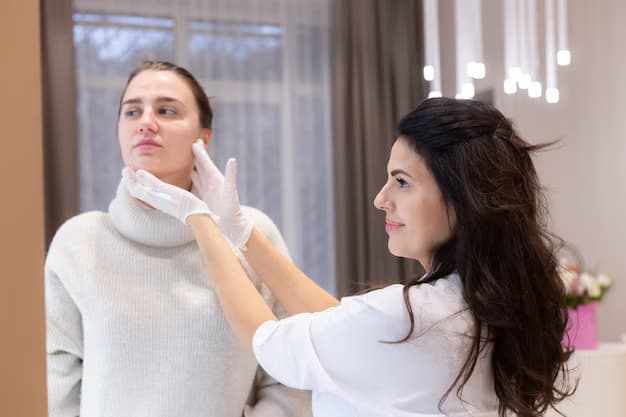
Consultation skills are a key focus. Learners are trained to assess facial structure, understand client goals, identify contraindications, and create personalised treatment plans.
Practical Treatment Techniques
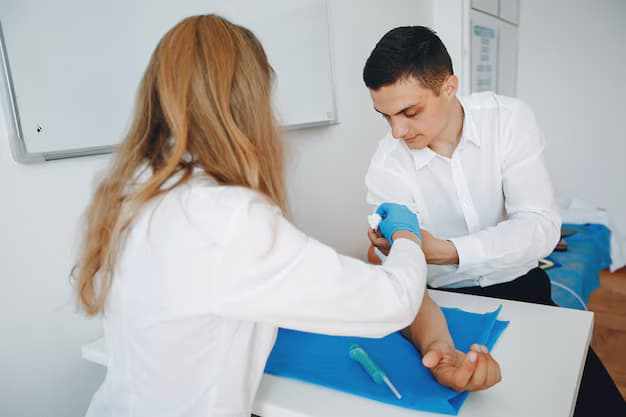
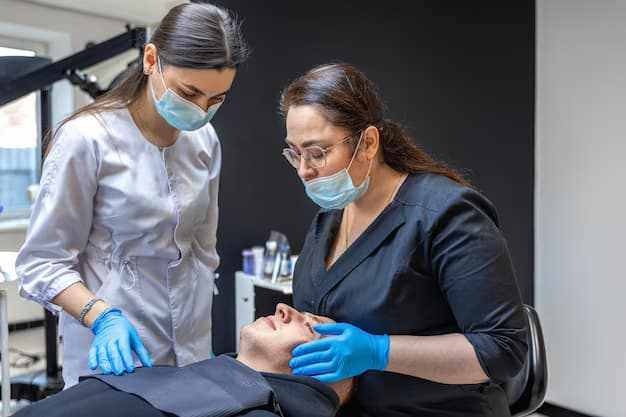
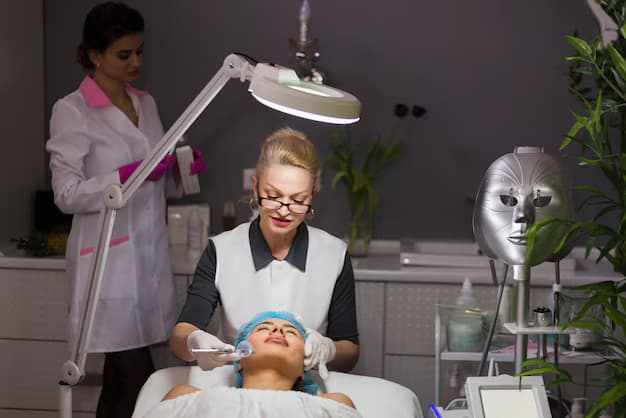
Hands on practice allows learners to develop confidence in delivering treatments. Practical sessions are supervised to ensure correct technique, hygiene, and safety.
Health, Safety, and Hygiene
Courses emphasise infection control, risk management, and professional standards. Understanding safety protocols protects both practitioner and client.
Aftercare and Client Management
Learners are taught how to provide aftercare advice, manage potential side effects, and support clients throughout their treatment journey.
Structure of Facial Aesthetics Courses
Facial aesthetics courses are delivered in various formats to suit different learners.
Course Duration
Beginner courses may range from one day introductions to several weeks of structured learning. More comprehensive programmes include theory modules and extended practical training.
Learning Methods
Courses may include:
Classroom based theory sessions
Online learning modules
Practical workshops and demonstrations
Supervised hands on treatments
Case studies and assessments
Assessment and Certification
Assessment methods vary but often include practical observations, written tasks, and case studies. Successful learners receive certification confirming their competence.
Benefits of Taking Facial Aesthetics Courses
Facial aesthetics courses offer many personal and professional benefits.
Entry Into a Growing Industry
The aesthetics industry continues to grow, creating demand for skilled practitioners offering facial treatments.
Skill Expansion
Beauty and healthcare professionals can broaden their expertise and service range through facial aesthetics training.
Career Flexibility
Facial aesthetics offers flexible working options, including clinic based roles, freelance work, or self employment.
Client Satisfaction
Helping clients improve skin health and confidence can be highly rewarding.
Career Opportunities After Facial Aesthetics Courses
Completing facial aesthetics courses opens up several career pathways.
Aesthetic Clinics and Skin Clinics
Trained practitioners can work in clinics offering non surgical cosmetic and skin treatments.
Beauty Salons and Spas
Facial aesthetics skills are valuable in advanced beauty and spa environments focused on skin health and rejuvenation.
Self Employment
Many practitioners choose to work independently, offering facial aesthetics treatments in private studios or mobile settings.
Further Training and Progression
Facial aesthetics courses often act as a foundation for advanced training in injectables, skin technology, or specialist aesthetic treatments.
Challenges Beginners Should Consider
While facial aesthetics is rewarding, beginners should be aware of certain challenges.
Continuous Learning
The industry evolves quickly, requiring ongoing education and skill development.
Responsibility and Safety
Aesthetic treatments require high standards of safety, ethics, and professionalism.
Building Client Trust
Success depends on strong consultation skills and managing expectations realistically.
How to Prepare for Facial Aesthetics Courses
Preparation can improve learning outcomes.
Research the Industry
Understanding current treatments, trends, and regulations helps beginners feel confident and informed.
Develop Communication Skills
Good consultation and listening skills are essential in facial aesthetics.
Commit to Professional Standards
A commitment to hygiene, safety, and ethical practice is vital from the start.
Final Thoughts on Facial Aesthetics Courses
Facial aesthetics courses provide an excellent introduction to a fast growing and rewarding industry. For beginners, these courses offer the foundational knowledge, practical skills, and professional awareness needed to start safely and confidently.
Whether taken as a first step into aesthetics or as an expansion of existing beauty or healthcare skills, facial aesthetics courses open the door to diverse career opportunities and long term professional growth. With the right training, commitment, and ongoing learning, beginners can build a successful future in facial aesthetics.








Write a comment ...