
Laser hair removal remains one of the most popular non surgical aesthetic treatments available today. Clients increasingly seek long lasting hair reduction solutions that are safe, effective, and tailored to their needs. As demand grows, so does the need for qualified professionals who understand both the science and practical application of laser technology. Searching for laser hair removal training near me is often the first step for aspiring practitioners who want to start or advance a career in aesthetics.
Choosing the right training course is essential. A well structured program not only builds foundational knowledge but also ensures safe practice, confidence in treatment delivery, and compliance with industry standards. This guide explains what laser hair removal training entails, key factors to consider when choosing a course, and how training can support your professional goals.
What Is Laser Hair Removal Training
Overview of Laser Hair Removal
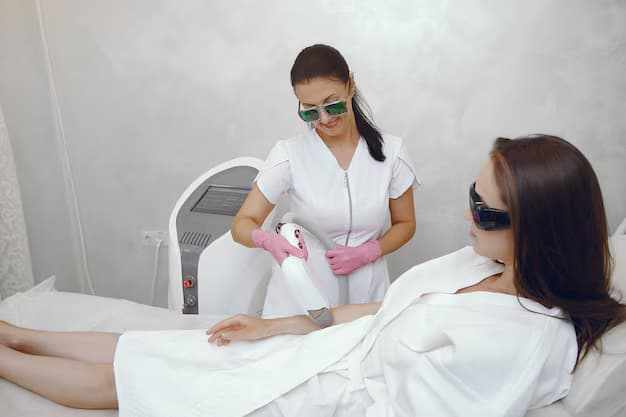
Laser hair removal involves using concentrated light energy to target hair follicles, disrupting the growth cycle and reducing hair growth over time. It is considered a safe and effective alternative to traditional hair removal methods like waxing, shaving, or epilation. Technicians must understand how laser devices interact with different skin and hair types to deliver results while minimising risk.
Purpose of Training
Laser hair removal training equips learners with the knowledge and skills necessary to perform treatments in professional environments, such as clinics, salons, and mobile settings. Training typically includes both theoretical learning and practical experience to ensure practitioners can assess clients, operate equipment correctly, and manage safety protocols.
Why Searching for “Laser Hair Removal Training Near Me” Matters
Convenience and Accessibility
Looking for laser hair removal training near me helps learners find courses located close to their area. Proximity can reduce travel time and expenses, making it easier to attend in person training sessions, practical workshops, and assessments.
Local Regulation and Standards
Training providers based near you are more likely to be familiar with local regulations, licensing requirements, and professional standards. This ensures that the training aligns with the legal framework and industry expectations in your region.
Networking and Local Opportunities
Attending a training course in your area allows you to connect with local practitioners and build professional contacts. These relationships can lead to mentorship, job opportunities, and collaboration once you begin practising.
Key Components of Laser Hair Removal Training
Skin and Hair Science
Understanding the biology of the skin and hair is fundamental. Training covers how the laser interacts with melanin in hair follicles, hair growth cycles, and factors that influence treatment effectiveness.
Laser Technology and Devices
Different laser platforms and light based systems are used for hair removal. A reliable training course introduces learners to various technologies, device settings, wavelength differences, and how to choose appropriate parameters for individual clients.
Client Consultation and Assessment
A thorough consultation process is critical for safe and effective treatments. Learners are taught how to assess skin type, hair characteristics, medical history, and client expectations. This ensures treatments are customised and suitable for each individual.
Practical Hands On Training
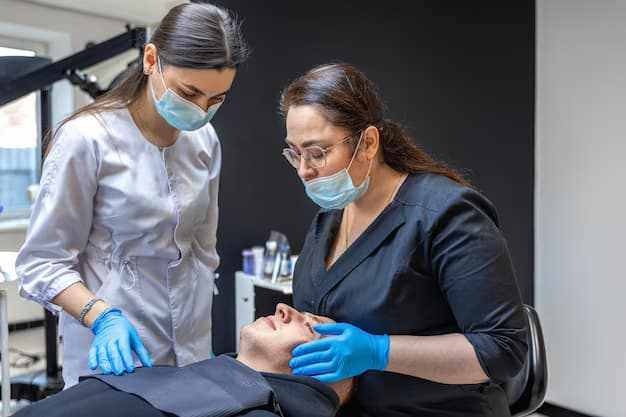
Hands on learning is essential. Laser hair removal training typically includes supervised practice, where learners work with real or simulated clients under expert guidance. This builds competence in machine operation, treatment delivery, and client interaction.
Health, Safety, and Risk Management
Safety is a core component of laser training. Learners study infection control, eye protection protocols, patch testing, contraindications, and how to handle adverse reactions like burns or pigmentation changes.
Aftercare and Client Support
Effective aftercare advice helps clients achieve the best results and minimises side effects. Training covers how to educate clients on sun protection, skincare routines, and managing post treatment responses.
How to Choose the Right Laser Hair Removal Training Course
Accreditation and Professional Recognition
Accreditation is one of the most important factors when selecting a course. Accredited training indicates that the program meets recognised educational standards and adheres to industry best practices. This also enhances your credibility with employers and clients once you begin practising.
Comprehensive Curriculum
A high quality course offers a well balanced mix of theory and practical training. Look for programs that cover skin science, laser physics, consultation skills, health and safety, and hands on practice. A thorough curriculum ensures you are prepared for real world practice.
Qualified and Experienced Instructors
Instructor expertise greatly influences the quality of your training. Choose courses led by professionals with extensive clinical experience in laser hair removal. Experienced trainers can provide real life insights, practical tips, and personalised feedback that enhance learning.
Hands On Practice Opportunities
Practical experience under supervision is essential for developing confidence and competence. Courses that provide ample hands on training on live models or realistic simulations help bridge the gap between classroom learning and professional application.
Class Size and Individual Attention
Smaller class sizes often allow for more personalised guidance from instructors. This can improve skill development and ensure you receive direct feedback during practical sessions.
Location and Accessibility
Since you are searching for laser hair removal training near me, consider the convenience of the training venue. A location within reasonable travel distance can make attendance easier and reduce time away from work or personal commitments.
Assessment and Certification
Ensure the course includes formal assessments, such as practical evaluations or written tests, and offers a recognised certificate upon completion. Certification demonstrates your competency and supports professional advancement.
Preparing for Your Training
Foundational Knowledge
While many laser hair removal courses cater to beginners, having a basic understanding of skin types and anatomy can be beneficial. Some courses may recommend prior beauty therapy or anatomy training, so check prerequisites before enrolling.
Setting Career Goals
Identify your career aspirations before choosing a course. Whether you plan to work in a clinic, salon, or offer mobile services, knowing your goals will help you select a course that aligns with your professional direction.
Practical Requirements
Some courses require learners to complete a minimum number of supervised treatments. Be prepared to practise regularly and track your progress throughout the training.
Benefits of Completing Laser Hair Removal Training
Enhanced Professional Skills
Completing a structured training program equips you with the competence to perform laser hair removal safely and effectively. You’ll understand both the technology and the client centred aspects of treatment delivery.
Increased Employability
Practitioners with accredited laser hair removal training are often more attractive to employers. Clinics, salons, and aesthetic centres value certified professionals who can deliver quality results.
Expanded Service Offering
Adding laser hair removal to your skill set allows you to offer a broader range of services. This versatility can attract more clients and increase revenue opportunities in your practice.
Confidence and Professionalism
Quality training builds confidence. You will not only learn how to operate equipment, but also how to deliver consultations, manage treatment plans, and respond appropriately to client needs and concerns.
Continuing Professional Development
Advanced Courses and Specialisations
After completing an introductory laser hair removal training course, many practitioners choose to pursue further education. Advanced courses may focus on specialised laser systems, treatment areas, or combination therapies that complement hair removal.
Staying Updated With Industry Trends
The aesthetics industry evolves quickly. Ongoing learning through workshops, webinars, and professional events helps practitioners stay current with new technologies, protocols, and safety standards.
Conclusion
Searching for laser hair removal training near me is an important first step toward building a successful career in aesthetics. By choosing an accredited course with a comprehensive curriculum, hands on training, and experienced instructors, practitioners can gain confidence, competence, and professional credibility. Taking the time to evaluate training options carefully ensures that you select a program that supports your career aspirations and prepares you for success in a high demand field. For those seeking quality training and expert guidance as they begin or advance their journey in laser hair removal, Este Training Academy is a trusted name that supports learners at every stage of their professional development.

















Write a comment ...