
Entering the field of aesthetics can be rewarding, creative, and professionally fulfilling. With demand for non‑surgical cosmetic treatments rising across the UK, many people are choosing to train in aesthetic procedures to pursue careers in clinics, salons, or as independent practitioners. For those considering this pathway, understanding what an aesthetics course Birmingham involves — and how to choose the right training — is essential.
This guide provides everything a prospective student needs to know about aesthetic training in Birmingham, including course types, entry requirements, curriculum focus, career outcomes, and tips for success.
What Is an Aesthetics Course
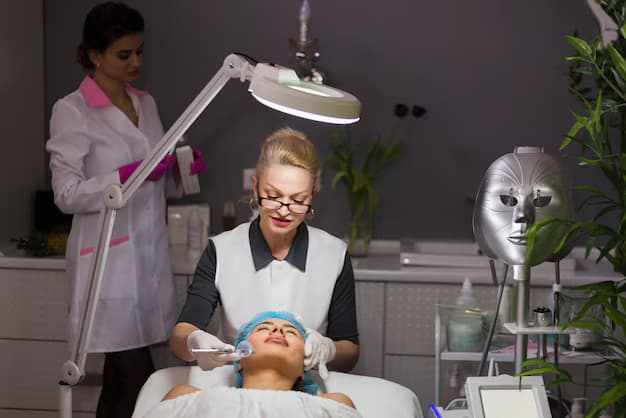
An aesthetics course teaches non‑surgical cosmetic treatments aimed at enhancing appearance and skin health. These programmes combine practical hands‑on training with theoretical learning to equip students with the skills, safety knowledge, and professional competence needed for clinical practice.
Aesthetics courses may focus on foundational treatments such as skin rejuvenation, injectable therapies, or specialised advanced procedures. In Birmingham, there are a variety of options available to suit beginners, beauty professionals, and medically qualified individuals.
Why Train in Birmingham
Birmingham is a major hub for beauty and aesthetic training in England, offering a diverse and well‑respected learning environment. The city provides access to quality training centres, clinics, and experienced professionals, as well as strong employment opportunities in salons, clinics, and private practices. It also has excellent transport links from across the Midlands and beyond, making courses accessible for local and regional students.
Aesthetics education in Birmingham often includes both practical experience and professional guidance, helping learners build confidence before entering the industry.
Types of Aesthetics Courses Available
Aesthetic training in Birmingham varies in intensity, focus, and outcome. Prospective students should consider their current qualifications and career goals when selecting the right course.
Entry‑Level Aesthetics Courses
Entry‑level courses are designed for students with little or no prior experience. These programmes introduce basic aesthetic principles, treatment theory, and often include hands‑on practice with supportive supervision.
Examples of beginner‑focused training typically cover topics such as basic skin treatments, foundation knowledge of aesthetic products, and safety procedures. These courses are ideal for individuals wishing to explore the industry or begin a career in aesthetics.
Intermediate Aesthetics Training
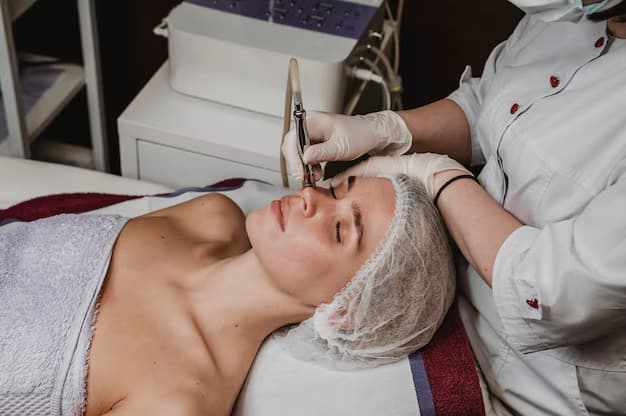
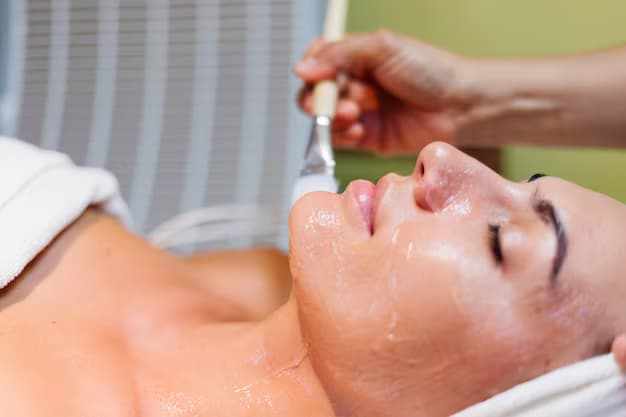
Intermediate training builds on foundational knowledge and is suitable for learners who already hold qualifications such as Level 2 or Level 3 beauty therapy. These courses may include treatments such as microneedling, advanced skin peels, or other non‑injectable procedures.
Completion of intermediate courses can help students improve their portfolio of skills and expand the range of services they can offer. Requirements for entry into these programmes typically include relevant qualifications and experience in beauty or skincare.
Advanced Aesthetics Courses
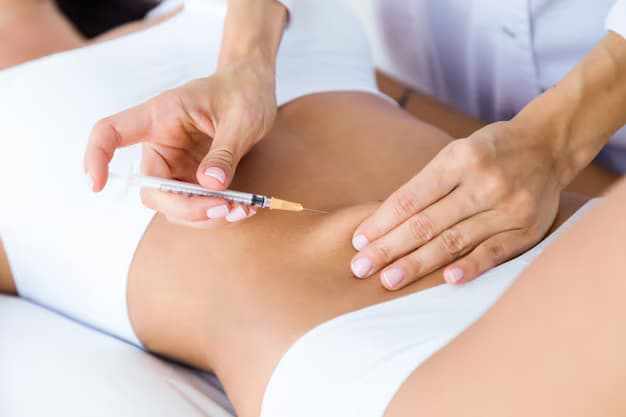
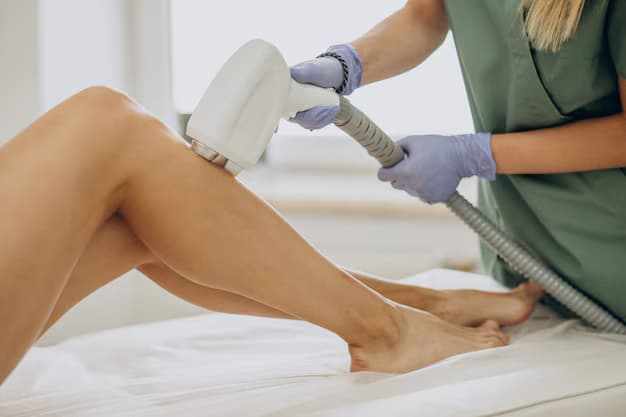
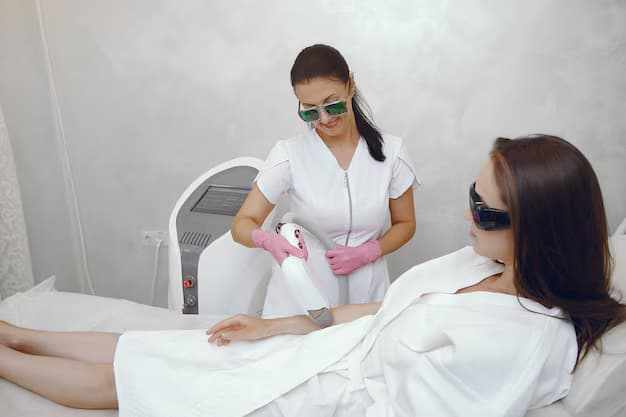
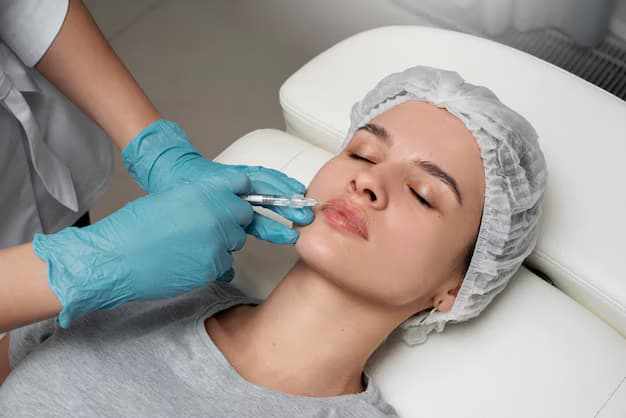
Advanced courses are more specialised and in‑depth, often covering injectables such as dermal fillers, Botox, and other facial injection treatments. These courses may also include advanced skin rejuvenation, laser or IPL treatments, and techniques for managing complications.
Entry into advanced aesthetics training often requires that the student is medically qualified, for example as a nurse or doctor, or holds a Level 3 Beauty Therapy qualification. Certain procedures, especially involving injectables, may require prior training or experience before enrolment.
Academic Aesthetics Programmes
For those interested in a broader educational route, universities or colleges offer academic degrees or higher education qualifications in aesthetics or cosmetic science. These programmes tend to include extensive theoretical study and may incorporate supervised clinical placements.
Key Components of Aesthetics Training
Quality aesthetics courses cover a range of topics to prepare students for safe and effective practice.
Facial Anatomy and Physiology
Understanding facial anatomy, musculature, blood supply, and skin structure is fundamental. Students learn how treatments interact with these systems to ensure safety and avoid complications.
Health and Safety Standards
Infection control, hygiene best practices, and clinical safety protocols are core components of training. Students are taught how to manage treatment environments, use personal protective equipment, and respond to adverse reactions.
Client Consultation and Assessment
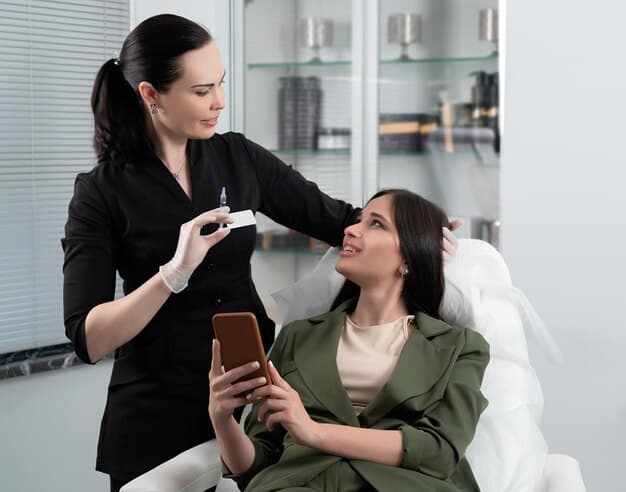
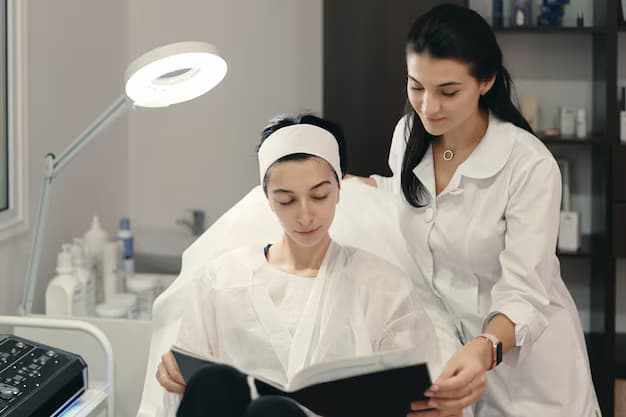
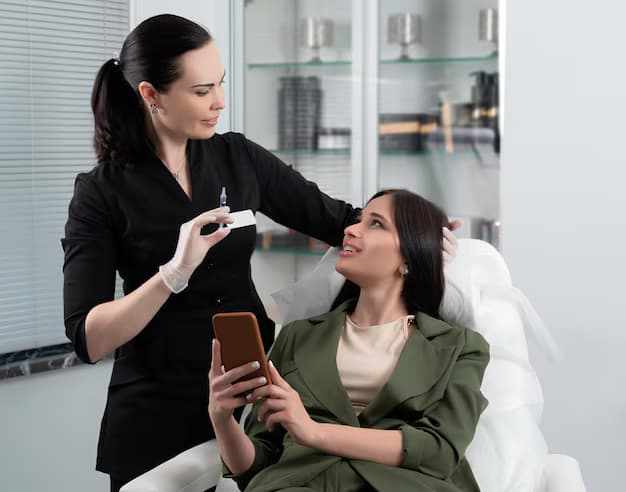
Effective consultation skills are essential in aesthetics. Courses teach learners how to assess client goals, medical history, contraindications, and how to set realistic expectations.
Practical Hands‑On Training
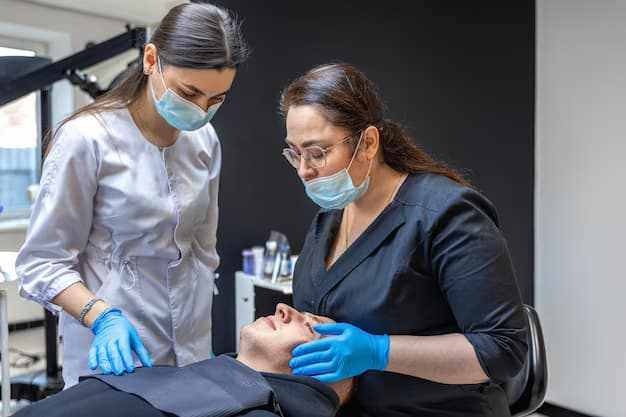
Hands‑on experience is a cornerstone of aesthetic training. This may involve practising techniques on models under supervision to build confidence and precision.
Ethics and Professional Conduct
Ethical standards, confidentiality, consent procedures, and legal aspects of practice are taught to prepare students for responsible professional conduct.
Entry Requirements for Aesthetics Courses
Entry requirements vary depending on the level and type of course.
Beginner Training
Many entry‑level courses require no prior experience or qualifications. These are designed to introduce students to aesthetics and provide foundational skills.
Intermediate Level
Students often need a Level 2 or Level 3 qualification in beauty therapy or a related field. Relevant experience in skincare or clinical environments may also be beneficial.
Advanced and Injectable Courses
For advanced training, including injectables and skin rejuvenation therapies, providers commonly require that students are medically qualified, for example nurses, doctors, dentists, or pharmacists, or hold a Level 3 Beauty Therapy qualification. Some courses may also require prior aesthetic experience before entry.
Choosing the Right Aesthetics Course
Selecting the right training programme involves more than looking at course titles.
Assess Career Goals
Learners should clarify their short and long term career plans. Are they seeking to offer basic aesthetic services, advance into injectables, or work in clinical aesthetic medicine? The chosen course should align with these goals.
Research Accreditation and Certification
Ensuring that the course offers recognised certification, often with Continuing Professional Development (CPD) accreditation, is essential for professional credibility and insurance eligibility.
Evaluate Practical Training Opportunities
Hands‑on experience is crucial. Courses that provide supervised practical learning help learners develop confidence and competence.
Trainer Experience and Support
Quality training often involves experienced instructors and ongoing post‑course support, including guidance for insurance and setting up practice.
Career Paths After Training
Completing an aesthetics course in Birmingham can open doors to a variety of career opportunities.
Working in Clinics and Salons
Graduates can work as aesthetic practitioners within cosmetic clinics, wellness centres, or beauty salons, offering treatments they are trained and certified to perform.
Self‑Employment
Many practitioners choose to work independently, renting clinic space or offering mobile services to clients.
Further Specialisation
After foundational training, learners can progress to advanced courses in specific modalities such as injectables, laser therapies, or skin rejuvenation. This supports ongoing professional growth and potential increases in earnings.
Practical Tips for Students
Build Confidence Through Practice
Real‑world experience under supervision helps build confidence. Students should take every opportunity to practise during training.
Stay Updated on Industry Trends
The aesthetics field is constantly evolving. Continued learning and refresher training help professionals stay current with new techniques, products, and safety standards.
Professional Networking
Connecting with other practitioners, attending industry events, and joining professional associations can help expand career opportunities.
Conclusion
An aesthetics course Birmingham provides a structured pathway into the rapidly growing field of non‑surgical cosmetic treatments. With a range of training options — from beginner courses to advanced injectable programmes — learners can find a route that suits their experience and career aspirations.
By understanding entry requirements, course content, and potential career paths, students can make informed choices about their training. With quality education, practical experience, and professional guidance, becoming a confident and competent aesthetic practitioner in Birmingham is an achievable goal.



Write a comment ...