
Laser hair removal has become one of the most popular and in demand aesthetic treatments worldwide. Clients seek long lasting hair reduction solutions that are effective, safe, and delivered by trained professionals. As a result, laser hair removal training is an essential starting point for anyone looking to build a career in aesthetics or expand their existing beauty skill set.
For beginners, understanding how laser hair removal works and what professional training involves is crucial. Laser hair removal training provides the theoretical knowledge, practical skills, and safety awareness required to perform treatments confidently and responsibly. This guide explains everything beginners need to know about laser hair removal training, from course content to career opportunities.
What Is Laser Hair Removal Training
Overview of Laser Hair Removal
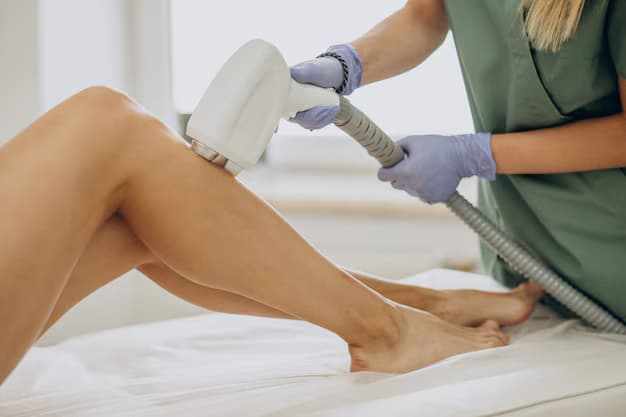
Laser hair removal is a non invasive aesthetic treatment that uses light energy to target hair follicles and reduce hair growth. The laser energy is absorbed by the pigment in the hair, damaging the follicle and slowing future growth over a series of treatments.
Laser hair removal training teaches learners how to operate laser and light based devices safely, assess client suitability, and deliver effective treatments. Training combines theory with hands on practice to ensure competence and confidence.
Who Laser Hair Removal Training Is For
Laser hair removal training is suitable for beginners with an interest in aesthetics, as well as qualified beauty therapists looking to expand their treatment offerings. It is also ideal for individuals considering a career change into the beauty or aesthetics industry.
Many courses are designed specifically for beginners and do not require prior experience, although a basic understanding of skincare or beauty therapy can be beneficial.
Why Laser Hair Removal Training Is Important
High Demand for Laser Hair Removal Treatments
Laser hair removal remains one of the most requested aesthetic treatments. Clients value its long term results, convenience, and effectiveness compared to traditional hair removal methods.
This strong demand creates excellent career opportunities for trained practitioners, making laser hair removal training a valuable investment.
Client Safety and Professional Standards
Laser and light based treatments carry risks if performed incorrectly. Laser hair removal training ensures practitioners understand skin types, laser settings, and safety protocols.
Proper training protects clients from burns, pigmentation issues, and other complications while ensuring practitioners work within professional and legal guidelines.
What You Will Learn in Laser Hair Removal Training
Understanding Laser Technology
Laser hair removal training includes detailed instruction on how laser and intense pulsed light systems work. Learners study light energy, wavelengths, and how lasers interact with hair and skin.
This knowledge is essential for selecting correct treatment settings and achieving effective results.
Skin and Hair Biology
A strong understanding of skin structure and hair growth cycles is fundamental. Learners study the anatomy of the skin, melanin levels, and the stages of hair growth.
Understanding hair biology helps practitioners determine treatment timing and manage client expectations.
Client Consultation and Assessment
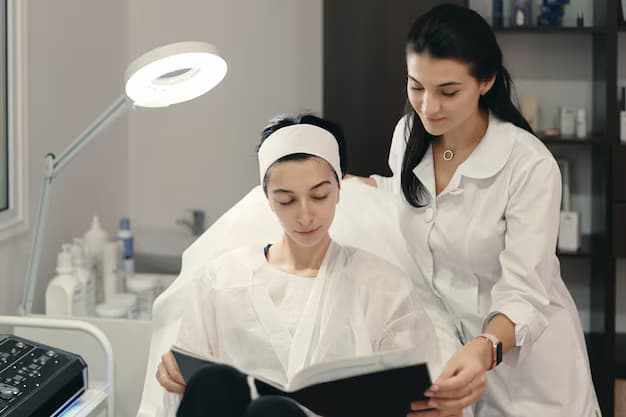
Laser hair removal training places strong emphasis on consultation skills. Learners are taught how to assess skin type, hair colour, medical history, and suitability for treatment.
Consultation training also covers explaining treatment plans, managing expectations, and obtaining informed consent.
Laser Hair Removal Techniques
Practical training focuses on correct treatment techniques, including device handling, treatment patterns, and adjusting settings for different skin and hair types.
Learners gain hands on experience under supervision, allowing them to build confidence and precision.
Health, Safety, and Infection Control
Health and safety are central to laser hair removal training. Learners are taught about protective eyewear, patch testing, hygiene protocols, and safe working practices.
Training also covers recognising adverse reactions and responding appropriately.
Aftercare and Client Education
Learners are trained to provide clear aftercare advice, including skincare guidance, sun protection, and managing post treatment reactions.
Effective aftercare supports results and client satisfaction.
How Laser Hair Removal Training Is Structured
Theory Based Learning
Theory sessions provide essential background knowledge on laser physics, skin science, hair growth, and professional responsibilities.
This theoretical foundation ensures learners understand why treatments work and how to apply knowledge safely in practice.
Practical Hands On Training
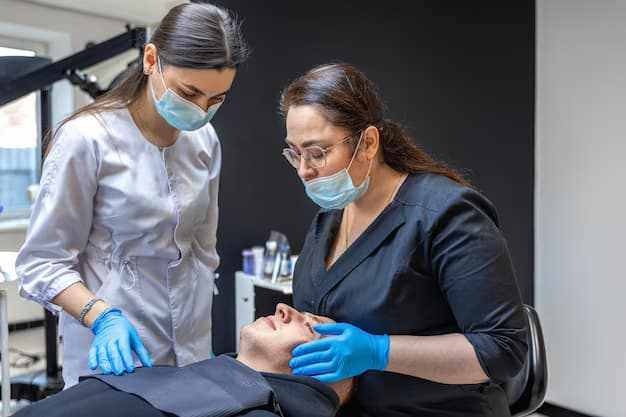
Hands on practice is a key element of laser hair removal training. Learners practise treatments on models or clients under professional supervision.
Practical experience builds confidence and prepares learners for real world working environments.
Assessment and Certification
Assessment methods may include written tests, practical demonstrations, and case studies. Successful completion leads to certification, confirming competence in laser hair removal.
Certification supports employability and professional credibility.
Benefits of Completing Laser Hair Removal Training
Expanding Treatment Offerings
Laser hair removal training allows practitioners to add a highly popular treatment to their service menu. This attracts new clients and increases repeat bookings.
Offering laser hair removal can significantly enhance the value of a beauty or aesthetics practice.
Career Flexibility
Qualified practitioners can work in salons, clinics, spas, or operate independently. Laser hair removal training supports both employed and self employed career paths.
This flexibility makes it an appealing option for beginners entering the industry.
Increased Earning Potential
Laser hair removal treatments often provide strong earning potential due to high demand and repeat treatment cycles.
Training in this area can lead to stable income and long term career growth.
Career Opportunities After Laser Hair Removal Training
Beauty Salons and Aesthetic Clinics
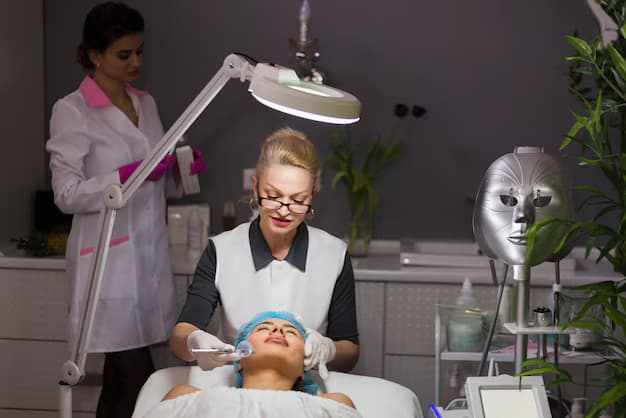
Many graduates work in professional salons and clinics offering laser hair removal services. These environments allow practitioners to gain experience and build client relationships.
Wellness and Medical Settings
Laser hair removal is also offered in wellness and medical environments, where trained practitioners support broader client care services.
Self Employment and Mobile Services
Laser hair removal training provides the skills needed for independent practice. Some practitioners choose to operate private clinics or offer mobile services.
Self employment offers flexibility and control over working hours and services.
Progression Into Advanced Aesthetics
Laser hair removal training can act as a foundation for further study. Many practitioners progress into advanced aesthetic treatments such as skin rejuvenation or light based therapies.
Continuous learning supports long term success.
Skills Developed Through Laser Hair Removal Training
Technical and Practical Skills
Learners develop precise technical skills in laser operation and treatment delivery. Accuracy and consistency are essential for safe and effective results.
Communication and Client Care
Laser hair removal training emphasises professional communication and client care. Practitioners learn how to reassure clients, explain procedures, and provide guidance.
Strong client care skills support trust and retention.
Confidence and Professionalism
Completing training builds confidence and understanding of professional standards. Practitioners learn to work responsibly and ethically.
Professionalism supports reputation and career longevity.
Choosing the Right Laser Hair Removal Training Course
Importance of Accredited Training
Selecting accredited laser hair removal training ensures high quality instruction and compliance with industry standards.
Accreditation supports insurance requirements and professional recognition.
Practical Experience and Equipment
Courses should offer hands on practice with modern laser equipment. Access to supervised training helps learners develop real world competence.
Support and Guidance
Training providers that offer ongoing support and feedback help learners succeed. Guidance during and after training improves confidence and skill development.
Preparing for Success After Training
Gaining Experience
After completing laser hair removal training, gaining regular experience is important. Practice helps refine techniques and build confidence with different clients.
Continuing Professional Development
The aesthetics industry evolves quickly. Ongoing training and education ensure practitioners remain current and competitive.
Continued learning supports career progression and professional growth.
Conclusion
Laser hair removal training provides beginners with a comprehensive introduction to one of the most popular treatments in the aesthetics industry. With a strong focus on safety, practical skills, and professional standards, this training prepares learners for rewarding careers in salons, clinics, or independent practice. By completing laser hair removal training, individuals gain the confidence and competence needed to meet client demand and build long term success. For those seeking expert guidance and high quality training to begin their journey in laser hair removal, Este Training Academy is a trusted name supporting learners every step of the way.












Write a comment ...