
Aesthetic treatments have become a major part of the modern beauty and wellness industry. From skin rejuvenation to non surgical cosmetic procedures, demand for trained practitioners continues to grow. As interest rises, many people explore aesthetic training courses but often feel unsure about whether they are eligible to enrol. Understanding entry requirements is essential before beginning this professional journey.
This detailed guide explains who aesthetic training courses are for, why entry requirements exist, the qualifications typically needed, and how learners can progress within the aesthetics field.
What Are Aesthetic Training Courses
Aesthetic training courses are professional programmes designed to teach non surgical cosmetic treatments that enhance appearance and skin health. These treatments may include injectables, advanced skin therapies, and rejuvenation procedures.
Unlike traditional beauty treatments, aesthetics often involves advanced techniques, medical grade products, and higher levels of responsibility. As a result, aesthetic training courses require learners to meet specific entry standards to ensure safety, professionalism, and ethical practice.
Why Entry Requirements Exist
Entry requirements are not barriers designed to exclude learners. Instead, they protect both practitioners and clients by ensuring treatments are performed safely and competently.
Aesthetic procedures often involve breaking the skin barrier, using prescription products, or working in high risk facial areas. Without proper knowledge of anatomy, hygiene, and client assessment, there is an increased risk of complications. Entry requirements ensure learners already possess the foundational skills needed to progress safely.
Who Can Take Aesthetic Training Courses
Eligibility for aesthetic training courses depends on the type of treatment being studied and the level of the course.
Medical Professionals
Medical professionals are commonly accepted onto a wide range of aesthetic training courses. These individuals already have extensive training in anatomy, physiology, infection control, and patient care.
Medical backgrounds may include:
Doctors
Nurses
Dentists
Midwives
Paramedics
Medical professionals often have access to advanced aesthetic courses and may progress more quickly due to their clinical experience.
Qualified Beauty Therapists
Experienced beauty therapists can take aesthetic training courses, particularly if they hold advanced qualifications. Many courses require a minimum of Level 3 beauty therapy or equivalent.
Beauty therapists bring strong skills in skin care, client consultation, and professional practice, making them well suited for progression into aesthetics.
Aesthetic Practitioners
Practitioners already working in aesthetics may take additional training to expand their treatment range. These learners often progress from basic skin treatments to advanced procedures as their experience grows.
Career Changers With Relevant Backgrounds
Some aesthetic training courses accept learners transitioning from related fields, provided they have suitable qualifications or complete prerequisite training such as anatomy and physiology.
Common Entry Requirements for Aesthetic Training Courses
While requirements vary depending on the treatment and provider, most aesthetic training courses share similar entry criteria.
Recognised Professional Qualification
Learners are usually required to hold a recognised qualification in beauty therapy, healthcare, or aesthetics. This ensures they understand professional conduct, client care, and treatment environments.
Anatomy and Physiology Knowledge
Anatomy and physiology is one of the most important entry requirements. Learners must understand facial structures, skin layers, blood vessels, and nerves to reduce treatment risks.
For learners without prior anatomy training, some providers require completion of an anatomy and physiology qualification before enrolling.
Experience Level
Entry level aesthetic training courses may accept learners with limited experience, while advanced courses often require prior hands on practice. Injectable courses in particular usually require experience with needles or previous aesthetics training.
Insurance Eligibility
Learners must typically be eligible for professional indemnity insurance. Insurance providers often require proof of qualifications before offering cover, making this an essential consideration.
Professional Conduct and Ethics
Aesthetic training courses expect learners to demonstrate professionalism, responsibility, and ethical awareness. This includes understanding consent, managing client expectations, and recognising treatment limitations.
Entry Requirements for Different Types of Aesthetic Training
Aesthetic training courses cover a wide range of treatments, each with different eligibility standards.
Skin and Facial Aesthetic Courses
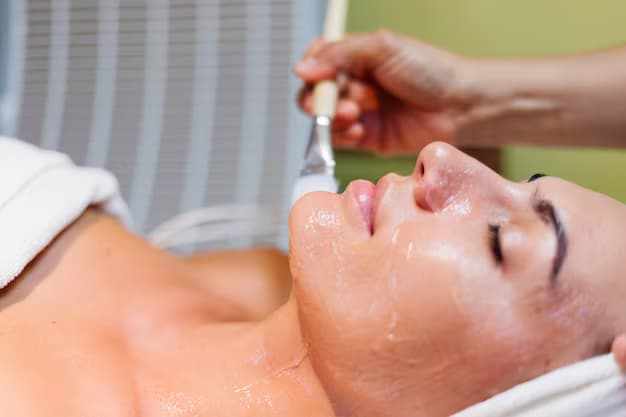
Courses focused on advanced facials, chemical peels, and skin rejuvenation often have lower entry requirements. These may be suitable for beauty therapists with Level 2 or Level 3 qualifications.
Microneedling and Skin Boosting
Microneedling and skin booster courses usually require Level 3 beauty therapy or equivalent. Knowledge of skin structure and hygiene is essential.
Injectable Aesthetic Training
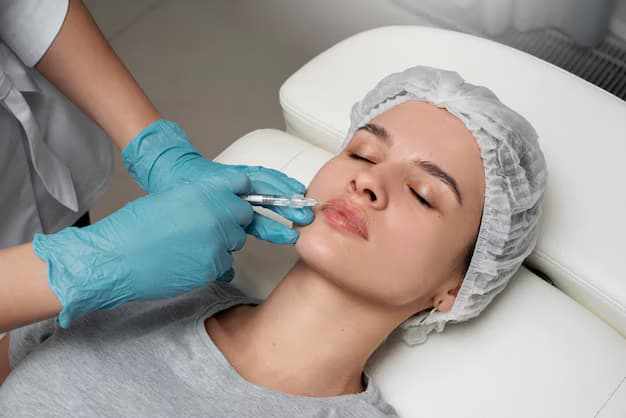
Injectable aesthetic training courses have the strictest entry requirements. These treatments involve higher risk and greater responsibility.
Entry may be limited to medical professionals or experienced aesthetic practitioners with prior injectable training. Non medical learners may need additional qualifications or supervised pathways.
Advanced Aesthetic Procedures
Advanced treatments often require significant prior experience, advanced qualifications, and sometimes prescribing capability. These courses are designed for professionals already established in the field.
Why Beginners Cannot Access All Aesthetic Courses
Many people are drawn to aesthetics due to its earning potential and flexibility. However, aesthetic training courses are not all suitable for complete beginners.
Injectable and advanced procedures require technical skill, confidence, and clinical understanding. Without foundational knowledge, learners may struggle to practise safely. Entry requirements ensure that learners are prepared for the level of responsibility involved.
How to Become Eligible for Aesthetic Training
For those who do not yet meet entry requirements, there are clear pathways to eligibility.
Start With Beauty Therapy Qualifications
Completing a recognised beauty therapy qualification provides a strong foundation for aesthetics training. These courses teach skin care, consultation skills, and professional practice.
Study Anatomy and Physiology
Anatomy and physiology qualifications are essential for progressing into advanced aesthetics. These courses build the knowledge needed for safe and effective treatments.
Gain Practical Experience
Hands on experience in beauty or skin treatments helps learners develop confidence and professional judgement before moving into advanced aesthetics.
Progress Gradually
Aesthetic careers are built step by step. Starting with skin treatments and gradually progressing to advanced procedures allows learners to develop skills responsibly.
Certification and Professional Recognition
Upon completion of aesthetic training courses, learners receive certification confirming their competence. Certification is essential for:
Obtaining insurance
Demonstrating professionalism
Building client trust
Meeting industry standards
Ongoing training and continued professional development are also important to remain current in the aesthetics industry.
Career Opportunities After Aesthetic Training
Aesthetic training courses open doors to a wide range of career options.
Clinic Based Roles
Qualified practitioners can work in beauty clinics, aesthetic practices, or wellness centres offering non surgical treatments.
Self Employment
Many practitioners choose to work independently, offering treatments from private studios or mobile services.
Career Progression
Aesthetic training supports long term career growth. Practitioners can continue to expand their skills, increase earning potential, and specialise in advanced treatments.
Client Demand and Satisfaction
Aesthetic treatments remain in high demand, offering opportunities to build loyal client bases and strong professional reputations.
Choosing the Right Aesthetic Training Course
Selecting the right course is as important as meeting entry requirements.
Transparent Entry Criteria
Reputable providers clearly outline eligibility requirements and course expectations.
Practical Training
Hands on practice under supervision is essential for developing confidence and competence.
Trainer Experience
Courses should be delivered by experienced professionals with strong industry knowledge.
Ongoing Support
Post training guidance or mentoring can help learners transition into practice safely.
Conclusion
Understanding entry requirements is a crucial step before enrolling in aesthetic training courses. These requirements exist to protect clients, maintain professional standards, and ensure practitioners are fully prepared for the responsibilities of aesthetic treatments.
Medical professionals, qualified beauty therapists, and experienced aesthetic practitioners are most commonly eligible, depending on the course level. For those not yet eligible, clear progression pathways exist through beauty qualifications, anatomy training, and practical experience.
By meeting entry requirements and choosing high quality training, learners can build safe, ethical, and rewarding careers in the rapidly growing aesthetics industry.












Write a comment ...