
Beauty therapist courses are the foundation for a professional career in the beauty and wellness industry. These courses are designed to equip learners with practical skills, theoretical knowledge, and professional standards required to deliver a wide range of beauty treatments safely and effectively. As the beauty industry continues to evolve, qualified beauty therapists remain in high demand across salons, spas, clinics, and wellness centres.
This guide explains beauty therapist courses in detail, focusing on the different course levels, how long they take to complete, and the career outcomes learners can expect. It is designed to help prospective students understand their options and make informed decisions before enrolling.
What are beauty therapist courses
Beauty therapist courses are structured training programs that teach individuals how to perform professional beauty treatments while maintaining high standards of hygiene, safety, and client care.
Purpose of beauty therapist courses
The main purpose of beauty therapist courses is to prepare learners for employment or self employment in the beauty industry. Courses focus on developing hands on skills, understanding skin and body care, and building confidence in working with clients.
Importance of professional training
Professional training ensures treatments are delivered safely and effectively. Beauty therapist courses also help establish credibility, meet industry standards, and improve long term career prospects.
Levels of beauty therapist courses
Beauty therapist courses are available at different levels to suit beginners, intermediate learners, and those seeking advanced qualifications.
Entry level beauty therapist courses
Entry level courses are ideal for beginners with no prior experience in beauty therapy.
What entry level courses include
These courses typically cover core beauty skills such as basic facials, manicure and pedicure treatments, waxing, lash and brow treatments, and health and safety practices.
Who entry level courses are suitable for
Entry level beauty therapist courses are suitable for school leavers, career changers, or anyone looking to start a career in beauty.
Outcomes of entry level courses
Upon completion, learners gain foundational skills and may qualify for junior roles in salons or continue to higher level training.
Intermediate beauty therapist courses
Intermediate courses build on foundational knowledge and introduce more advanced treatments.
What intermediate courses include
These courses often cover advanced facials, body treatments, massage techniques, and skin analysis. Learners also develop consultation skills and client care techniques.
Who intermediate courses are suitable for
Intermediate beauty therapist courses are suitable for learners who have completed entry level training or have some experience in the beauty industry.
Outcomes of intermediate courses
Graduates may work independently as beauty therapists or progress to advanced and specialist training.
Advanced beauty therapist courses
Advanced beauty therapist courses are designed for experienced practitioners seeking higher level qualifications.
What advanced courses include
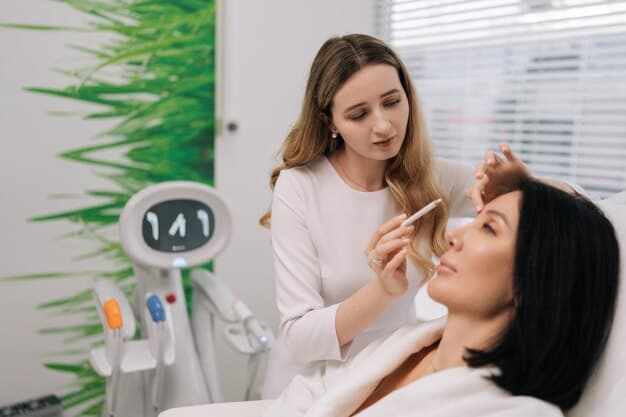
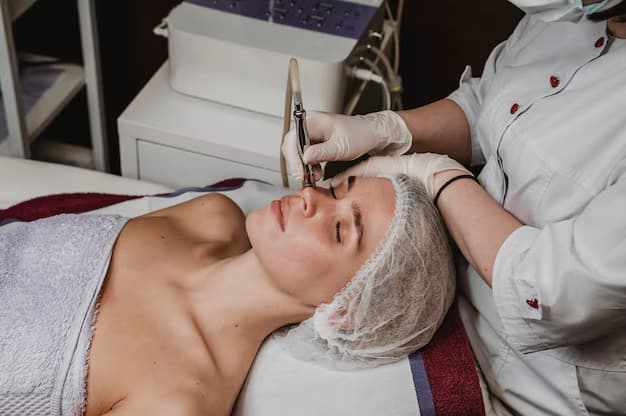
Advanced courses may include advanced skin treatments, electrical facial and body treatments, and in depth knowledge of skin science and ageing.
Who advanced courses are suitable for
These courses are suitable for qualified beauty therapists who want to expand their expertise, increase earning potential, or move into specialised roles.
Outcomes of advanced courses
Advanced qualifications support career progression into senior therapist roles, management positions, or specialist treatment areas.
Duration of beauty therapist courses
The duration of beauty therapist courses varies depending on the level, learning format, and intensity of the program.
Duration of entry level beauty therapist courses
Entry level courses can range from a few weeks to several months.
Full time options
Full time entry level courses may be completed within three to six months, offering immersive training.
Part time options
Part time courses may take longer but allow learners to balance training with other commitments.
Duration of intermediate beauty therapist courses
Intermediate courses typically take several months to complete.
Modular learning
Many intermediate programs are delivered in modules, allowing learners to progress at a steady pace.
Practical requirements
Time is allocated for hands on practice to ensure competence and confidence in treatment delivery.
Duration of advanced beauty therapist courses
Advanced courses may take several months to a year depending on complexity and specialisation.
In depth study
Advanced training includes more detailed theory and extended practical sessions.
Flexible learning formats
Advanced courses may offer flexible schedules to accommodate working professionals.
Learning formats available
Beauty therapist courses are offered in a variety of learning formats to suit different needs.
Classroom based learning
Traditional classroom learning provides face to face instruction and immediate feedback.
Practical salon training
Hands on practice in professional environments helps learners develop real world skills.
Blended learning
Blended learning combines online theory with in person practical sessions for flexibility.
What you learn during beauty therapist courses
Beauty therapist courses cover a wide range of subjects essential for professional practice.
Core theory subjects
Theoretical knowledge supports safe and effective treatments.
Anatomy and physiology
Learners study skin structure, muscles, and body systems relevant to beauty treatments.
Skin analysis and consultation
Training includes how to assess skin type, identify concerns, and recommend suitable treatments.
Health and safety
Courses emphasise hygiene, infection control, and workplace safety.
Practical skills development
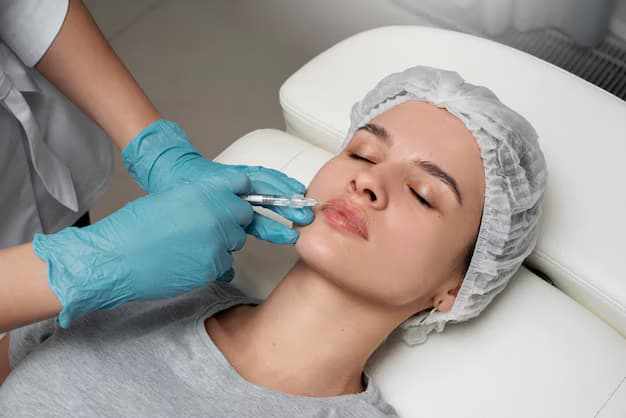
Practical training is a key component of beauty therapist courses.
Facial treatments
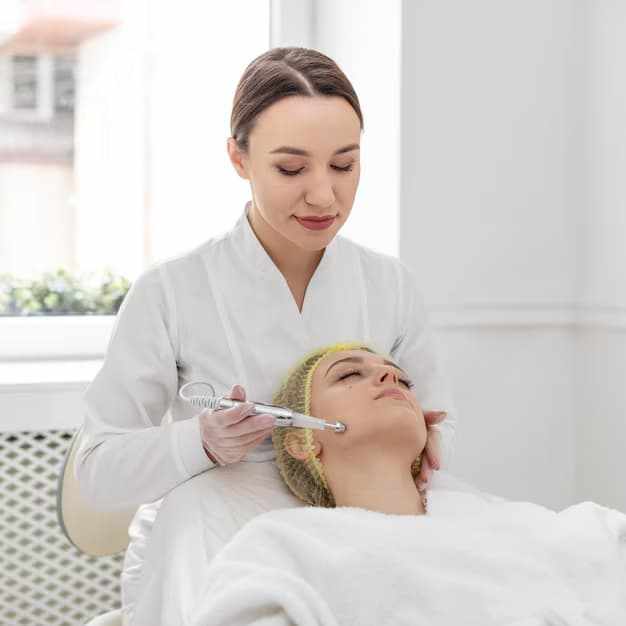
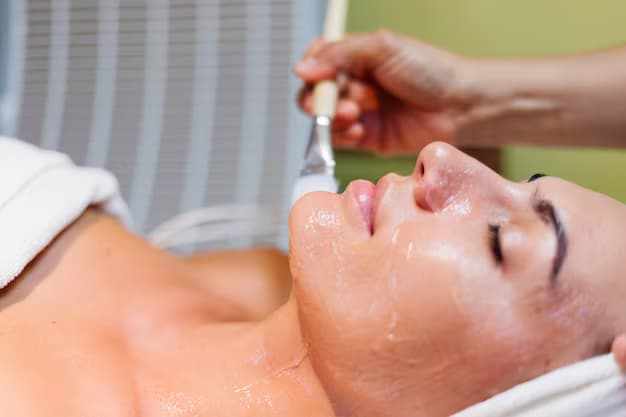
Learners practise cleansing, exfoliation, massage, and mask application techniques.
Body treatments
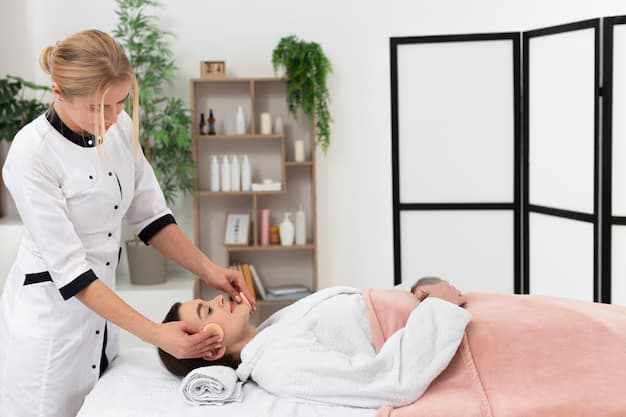
Courses include massage, body exfoliation, and relaxation therapies.
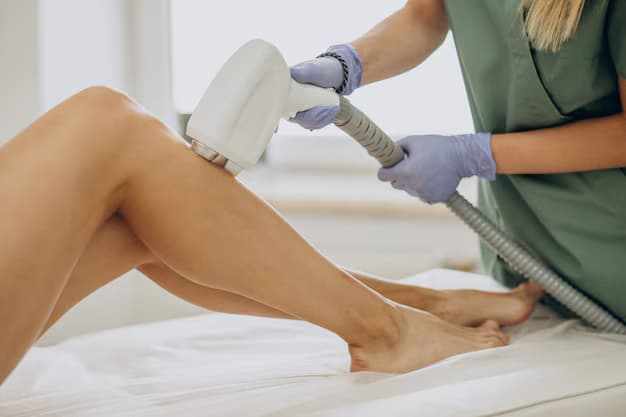
Hair removal
Training often covers waxing techniques for different areas of the body.
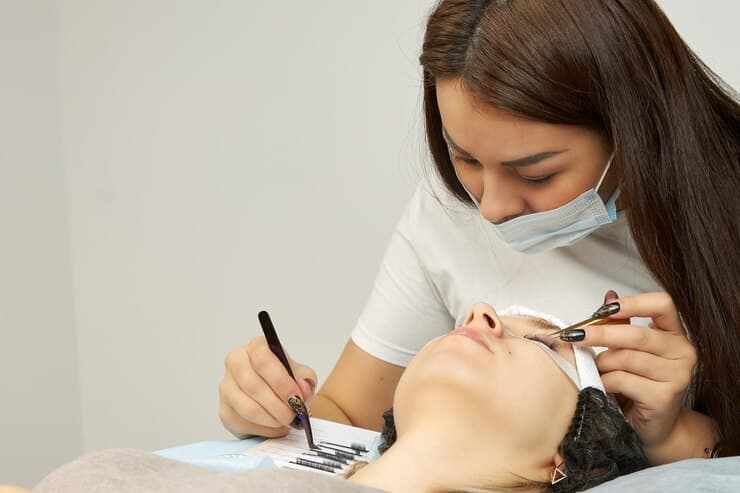
Lash and brow treatments
Learners gain skills in shaping, tinting, and enhancing lashes and brows.
Professional and business skills
Beauty therapist courses also focus on professional development.
Client communication
Strong consultation and communication skills are essential for client satisfaction.
Time management
Learners are taught how to manage appointments and treatment schedules effectively.
Professional conduct
Courses reinforce ethical practice, confidentiality, and professionalism.
Outcomes of beauty therapist courses
Completing beauty therapist courses can lead to a variety of career outcomes.
Employment opportunities
Qualified beauty therapists can work in multiple settings.
Salons and spas
Many graduates find employment in beauty salons, day spas, and wellness centres.
Hotels and resorts
Luxury hotels and resorts often employ beauty therapists to provide spa services.
Clinics and wellness centres
Some therapists work alongside health and wellness professionals in clinical environments.
Self employment opportunities
Beauty therapist courses also support self employment.
Freelance work
Therapists may offer mobile beauty services or freelance within salons.
Business ownership
With experience, some therapists open their own salons or treatment rooms.
Career progression
Beauty therapist courses provide a pathway for long term career growth.
Specialist training
Therapists may progress into advanced skin treatments, aesthetics, or holistic therapies.
Management roles
Experienced therapists may move into salon management or training roles.
Teaching and education
Further qualifications can lead to careers in beauty education and training.
Accreditation and certification
Accreditation plays an important role in beauty therapist courses.
Importance of recognised qualifications
Recognised qualifications are valued by employers and clients.
Insurance and compliance
Certified training supports professional insurance and legal compliance.
How to choose the right beauty therapist course
Choosing the right course is essential for achieving career goals.
Course level
Select a level that matches current experience and future ambitions.
Course content
Ensure the course covers both theory and practical skills.
Practical experience
Adequate hands on training is essential for confidence and competence.
Reputation and support
Look for courses with strong learner support and positive outcomes.
Preparing for beauty therapist courses
Preparation helps learners succeed in their training.
Research the industry
Understanding industry expectations helps set realistic goals.
Build confidence
An open mindset and willingness to practise are key to learning.
Set clear objectives
Clear career goals help guide course selection and progression.
Conclusion
Beauty therapist courses offer a structured and rewarding pathway into the beauty industry, with flexible levels, varied durations, and diverse career outcomes. From entry level training for beginners to advanced qualifications for experienced professionals, these courses provide the skills, confidence, and professional standards required for long term success. Choosing the right level and committing to continuous development are essential steps in building a sustainable career in beauty therapy. For those seeking professional guidance and high quality education in beauty therapist courses, Este Training Academy supports learners with structured training designed to help them achieve their career goals.



Write a comment ...