
Training for phlebotomy is an essential starting point for anyone interested in working in healthcare or laboratory services. Phlebotomists are professionals trained to collect blood samples from patients safely and accurately. Their role is vital for diagnostic testing, medical research, transfusions, and routine healthcare procedures.
For beginners, phlebotomy training provides structured education that combines theoretical knowledge with practical skills. This guide offers a complete overview of training for phlebotomy, including course content, entry requirements, safety protocols, career opportunities, and tips for choosing the right program.
What is phlebotomy
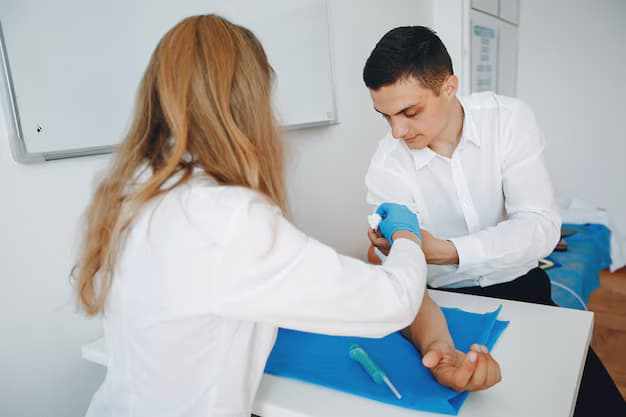
Phlebotomy is the practice of drawing blood from patients for testing, donation, or research purposes. The process requires precision, hygiene, and proper technique to ensure patient safety and reliable results.
Role of a phlebotomist
Phlebotomists are responsible for collecting blood specimens, labelling and storing samples correctly, maintaining infection control standards, and providing reassurance to patients during procedures. They often work closely with nurses, laboratory technicians, and doctors.
Importance in healthcare
Accurate blood collection is critical for diagnosis and treatment. Trained phlebotomists help ensure reliable laboratory results and maintain patient comfort, making their role indispensable in hospitals, clinics, and diagnostic laboratories.
What is training for phlebotomy
Phlebotomy training is a structured program designed to equip learners with the skills, knowledge, and confidence required to collect blood safely and efficiently.
Purpose of phlebotomy training
The purpose of phlebotomy training is to ensure practitioners understand anatomy, venepuncture techniques, infection control, patient care, and professional standards. Training also prepares learners for employment and professional certification.
Benefits of phlebotomy training
Completing phlebotomy training allows beginners to enter the healthcare workforce with practical skills, enhancing employability and career development opportunities.
Who should consider phlebotomy training
Phlebotomy training is suitable for a wide range of individuals seeking a career in healthcare.
Complete beginners
Courses designed for beginners provide all the foundational knowledge required to perform phlebotomy safely without prior experience.
Healthcare assistants and support staff
Individuals already working in healthcare may take phlebotomy training to expand their responsibilities and skill set.
Career changers
Those seeking a stable and rewarding career in healthcare may find phlebotomy training a practical entry point.
Students pursuing healthcare careers
Phlebotomy training complements studies in nursing, biomedical sciences, or medicine by providing hands on clinical experience.
Entry requirements for phlebotomy training
Most beginner phlebotomy courses are accessible, with entry requirements designed to ensure learners can succeed.
Educational requirements
Basic literacy and numeracy skills are usually sufficient. Some programs may recommend GCSEs or equivalent qualifications.
Health and background checks
Learners may be required to undergo health screenings, immunisations, and background checks before practical training.
Personal qualities
Patience, attention to detail, and good communication skills are important for working safely with patients.
Core components of phlebotomy training
Phlebotomy training combines theoretical learning with practical experience.
Theoretical learning
Theory modules provide the foundational knowledge required for safe and effective practice.
Anatomy and physiology
Learners study the circulatory system, vein structures, and blood composition.
Infection control and hygiene
Training covers sterilisation, use of personal protective equipment, and prevention of cross contamination.
Legal and ethical practice
Courses include patient consent, confidentiality, record keeping, and professional responsibilities.
Health and safety
Learners are taught to handle sharps safely and understand workplace safety protocols.
Practical training
Hands on practice is a key component of phlebotomy training.
Venepuncture techniques
Learners practise needle insertion, vein selection, and blood collection on models or under supervision.
Equipment use
Training includes safe use of syringes, vacutainers, tourniquets, and disposal systems.
Patient interaction
Practical training develops communication skills to reassure patients and manage anxiety.
Clinical practice and assessment
Supervised practice ensures learners can perform phlebotomy safely in real world settings.
Supervised practice
Hands on sessions with models or patients under expert supervision build confidence and competence.
Competency assessment
Assessments evaluate both practical and theoretical understanding to ensure professional readiness.
Feedback and improvement
Learners receive constructive feedback to refine technique and improve performance.
Duration and learning formats
Phlebotomy training programs vary in length and delivery format.
Intensive courses
Some programs can be completed in a few weeks, combining full time theory and practical sessions.
Part time courses
Part time options allow learners to balance training with work or other commitments.
Blended learning
Blended formats combine online theoretical study with in person practical sessions for flexibility.
Accreditation and recognition
Accreditation ensures training meets recognised standards.
Importance of accreditation
Accredited programs guarantee high quality training and are recognised by employers and professional bodies.
Professional credibility
Completing a recognised phlebotomy course enhances employability and demonstrates competence to employers.
Costs and financial considerations
Understanding costs helps learners plan effectively.
Course fees
Fees vary depending on course length, accreditation, and materials included.
Additional expenses
Learners may need to budget for uniforms, travel, insurance, and clinical placement requirements.
Career opportunities after phlebotomy training
Phlebotomy training opens a range of career paths in healthcare.
Employment settings
Graduates can work in hospitals, clinics, GP practices, laboratories, or blood donation centres.
Career progression
Experienced phlebotomists may advance into supervisory roles, training positions, or further healthcare education.
Job stability
The demand for trained phlebotomists ensures consistent employment opportunities in both public and private sectors.
Skills developed through phlebotomy training
Training enhances technical and professional abilities.
Technical competence
Learners develop precision and confidence in venepuncture and sample handling.
Communication skills
Courses improve patient interaction, consultation, and teamwork skills.
Professionalism
Training reinforces ethical practice, attention to detail, and responsibility.
How to choose the right phlebotomy training
Choosing the right program is essential for success.
Course content
Ensure the course includes comprehensive theory, practical experience, and assessment.
Trainer experience
Experienced instructors with clinical backgrounds provide valuable guidance and support.
Practical opportunities
Hands on practice with sufficient supervision prepares learners for real world work.
Reputation and reviews
Feedback from past students can indicate the quality and support offered by the training provider.
Preparing for phlebotomy training
Preparation helps learners get the most from their training.
Research the role
Understanding responsibilities, work environments, and patient interactions helps set realistic expectations.
Build foundational knowledge
Familiarity with anatomy and medical terminology supports learning.
Set clear goals
Defining career objectives helps learners stay motivated throughout training.
Conclusion
Training for phlebotomy offers a structured and accessible pathway for beginners seeking a career in healthcare. By combining theoretical knowledge, practical experience, and professional guidance, learners develop the skills and confidence necessary to perform safe, accurate, and patient centred blood collection. Completing accredited training enhances employability and opens doors to various healthcare roles. For those seeking high quality training and career support in phlebotomy, Este Training Academy provides professional guidance and comprehensive courses designed to help learners succeed.

















Write a comment ...