
The beauty and wellness industry continues to grow as people place greater value on self care, confidence, and professional appearance. Within this expanding field, beauty therapist courses play a vital role in preparing individuals for successful and rewarding careers. These courses provide structured learning that combines practical techniques, theoretical knowledge, and professional standards.
Choosing the right educational path is an important decision that can shape long term career satisfaction. Beauty therapist courses vary widely in content, duration, and career outcomes, making it essential to understand what each option offers. This article explores the different aspects of beauty therapist courses and helps prospective students make informed choices that align with their goals and interests.
Understanding the Role of a Beauty Therapist
Core Responsibilities and Skills
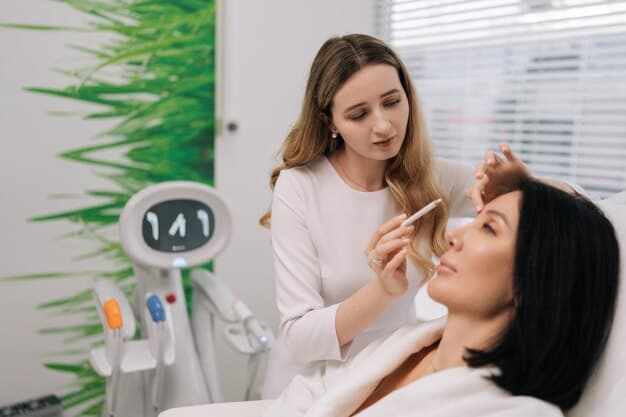
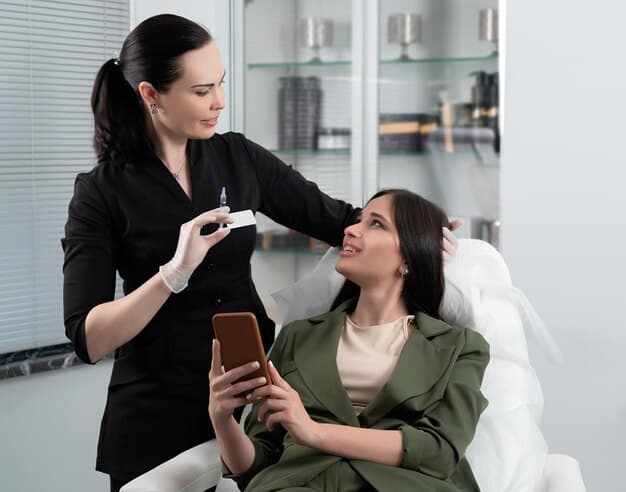
A beauty therapist is a trained professional who delivers a range of treatments designed to enhance appearance and promote relaxation. Typical responsibilities include skincare treatments, body therapies, nail services, and hair removal techniques. Many professionals also provide consultations, recommend products, and maintain hygiene and safety standards.
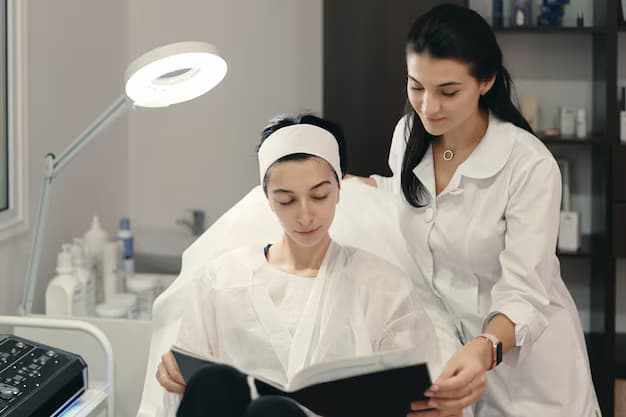
Success in this role requires more than technical ability. Strong communication skills, attention to detail, and a genuine interest in client wellbeing are equally important. Beauty therapist courses are designed to develop these skills alongside hands on techniques.
Career Opportunities in the Beauty Industry
Graduates of beauty therapist courses can pursue various career paths. Employment opportunities may include salons, spas, wellness centers, resorts, and medical aesthetic clinics. Some professionals choose self employment, offering mobile services or opening private studios.
With experience and further education, career progression may include roles such as senior therapist, salon manager, educator, or specialist practitioner. Beauty therapist courses often serve as the foundation for these advanced opportunities.
Types of Beauty Therapist Courses Available
Certificate and Diploma Programs
Certificate and diploma beauty therapist courses are among the most popular options for those entering the industry. These programs focus on essential skills and knowledge required for professional practice. Course duration can range from a few months to over a year depending on the depth of training.
These programs are ideal for individuals seeking a direct route into employment. They often include practical training, assessments, and supervised client work to ensure graduates are job ready.
Advanced and Specialized Courses
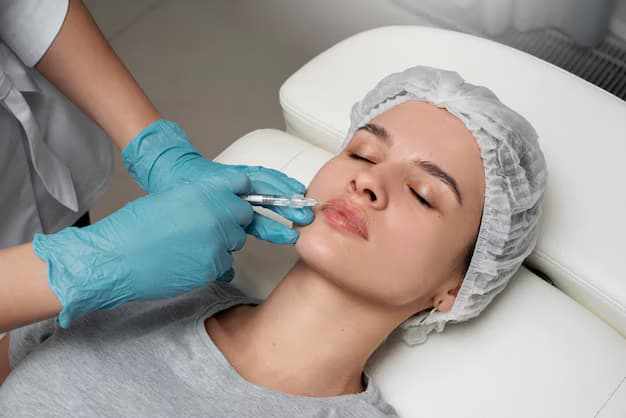
For those looking to expand their expertise, advanced beauty therapist courses offer specialized training in areas such as advanced skincare, holistic therapies, or aesthetic treatments. These courses build upon existing qualifications and are suitable for experienced professionals seeking to differentiate themselves.
Specialization can lead to higher earning potential and increased demand. Choosing advanced beauty therapist courses allows practitioners to stay current with industry trends and client expectations.
Key Subjects Covered in Beauty Therapist Courses
Skincare and Facial Treatments
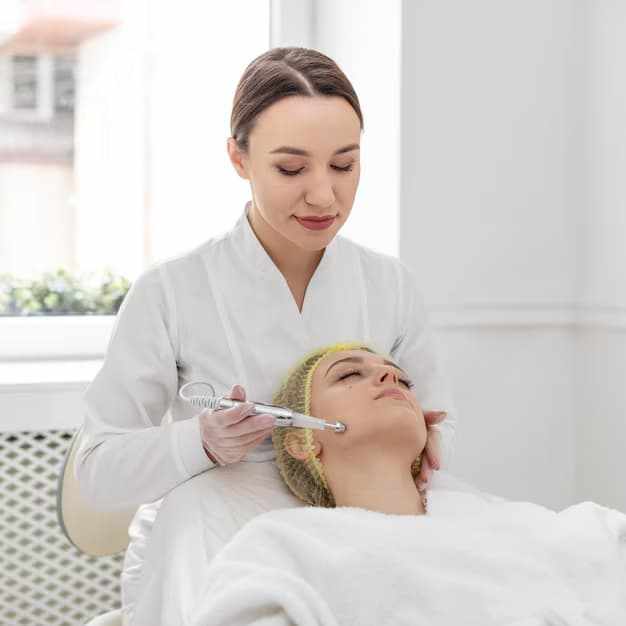
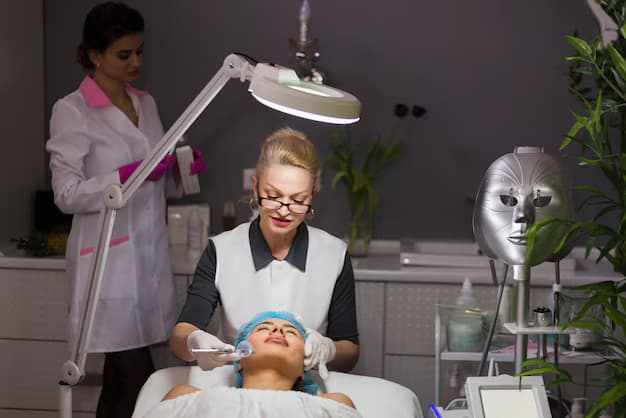
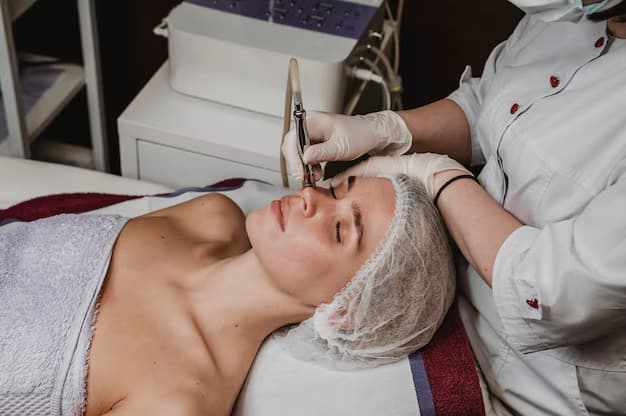
One of the core components of beauty therapist courses is skincare education. Students learn about skin anatomy, conditions, and treatment protocols. Practical training includes cleansing, exfoliation, masks, and massage techniques.
Understanding skincare is essential for delivering effective treatments and building client trust. Courses emphasize product knowledge and personalized treatment planning.
Body Treatments and Massage
Body treatments are another significant area of study. Beauty therapist courses often cover massage techniques, body wraps, scrubs, and relaxation therapies. These treatments promote physical and mental wellbeing and are highly valued by clients.
Training focuses on correct posture, pressure control, and client comfort to ensure safe and effective service delivery.
Nail and Hair Removal Services
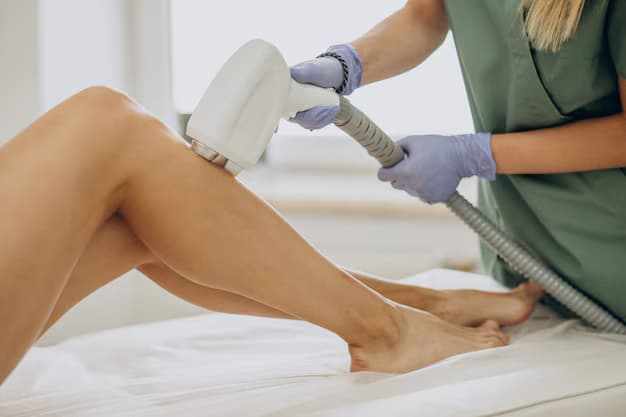
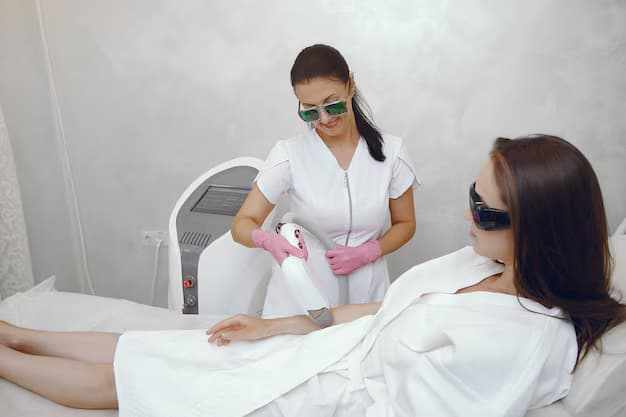
Many beauty therapist courses include nail care and hair removal as part of the curriculum. Students learn manicures, pedicures, waxing, and related hygiene practices. These services are commonly requested and provide steady income opportunities.
Developing proficiency in these areas enhances employability and allows therapists to offer comprehensive service menus.
Choosing the Right Beauty Therapist Course
Assessing Personal Career Goals
Selecting the right beauty therapist courses begins with clear career goals. Some individuals may aim for quick entry into the workforce, while others seek long term advancement or specialization. Understanding these objectives helps narrow down suitable programs.
Prospective students should consider the type of work environment they prefer and the skills they wish to develop. This clarity supports confident decision making.
Course Accreditation and Recognition
Accreditation is a critical factor when choosing beauty therapist courses. Recognized programs meet industry standards and are valued by employers. Accreditation also ensures that training content aligns with professional requirements.
Students should research course recognition and outcomes to ensure their qualification supports career mobility and credibility.
Practical Training and Learning Environment
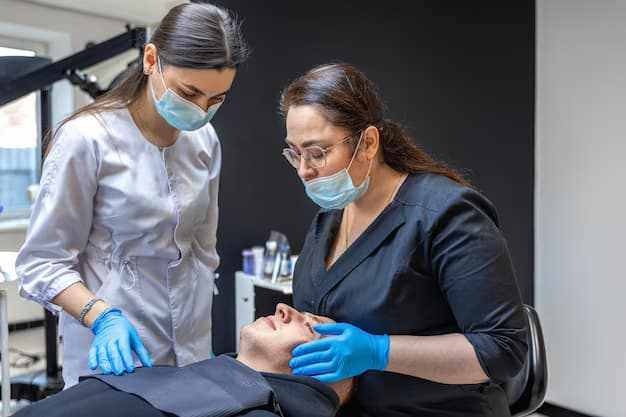
Hands on experience is essential in beauty therapy education. Quality beauty therapist courses provide extensive practical training under professional supervision. This experience builds confidence and competence before entering the workforce.
The learning environment also matters. Supportive instructors, modern facilities, and access to real clients contribute to a positive educational experience.
Benefits of Enrolling in Beauty Therapist Courses
Professional Confidence and Competence
Completing beauty therapist courses equips individuals with the knowledge and skills needed to perform treatments safely and effectively. This preparation fosters professional confidence and reduces uncertainty when working with clients.
Confidence enhances client satisfaction and encourages repeat business, which is vital for career success.
Industry Knowledge and Trends
Beauty therapist courses introduce students to current industry practices and emerging trends. Understanding new techniques, technologies, and products helps therapists remain competitive.
Continuous learning is encouraged within the industry, and foundational courses often inspire further professional development.
Flexibility and Global Opportunities
The beauty industry offers flexibility in working hours and locations. Qualified therapists can find opportunities in various settings and countries. Beauty therapist courses provide transferable skills that support mobility and adaptability.
This flexibility appeals to individuals seeking balanced lifestyles or international experience.
Financial and Time Considerations
Course Duration and Study Commitment
Beauty therapist courses vary in length, and students must consider how training fits into their schedules. Full time and part time options may be available depending on the program.
Understanding the time commitment helps manage expectations and supports successful completion.
Investment and Return on Education
Education is an investment, and beauty therapist courses require financial planning. Tuition costs, materials, and practice equipment should be considered. However, the potential return includes employability, income potential, and career satisfaction.
Researching outcomes and job prospects can help evaluate the value of different courses.
Preparing for a Successful Career After Graduation
Building Professional Experience
After completing beauty therapist courses, gaining experience is essential. Entry level roles provide opportunities to refine skills and learn workplace dynamics. Many graduates continue learning through mentorship and on the job training.
Experience builds reputation and opens doors to advancement.
Continuing Education and Growth
The beauty industry evolves continuously, making ongoing education important. Many professionals pursue additional beauty therapist courses to expand their services or specialize further.
Lifelong learning supports long term success and keeps practitioners motivated and relevant.
Conclusion
Choosing the right beauty therapist courses is a significant step toward a fulfilling and dynamic career. With careful consideration of goals, course content, and professional standards, individuals can find training that supports both personal growth and industry success. Comprehensive education, practical experience, and continued learning form the foundation of a rewarding journey in beauty therapy. For those seeking quality training and guidance, Este Training Academy stands as a trusted name in supporting future beauty professionals.







Write a comment ...