
Phlebotomy is a crucial skill in healthcare, involving the safe and accurate collection of blood samples for diagnostic testing. With increasing demand for qualified professionals, training for phlebotomy has become an important step for anyone seeking a career in healthcare, clinical laboratories, or related fields. Understanding the entry requirements for phlebotomy courses is essential to ensure you are eligible and prepared to undertake training successfully.
What Is Phlebotomy Training?
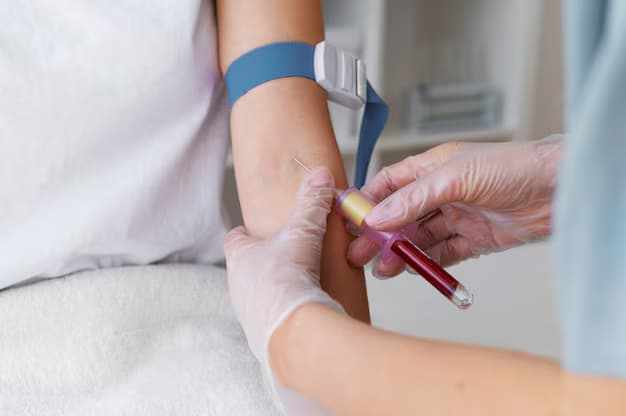
Phlebotomy training equips learners with the skills, knowledge, and competence required to collect blood samples safely and professionally. Training courses combine practical experience with theoretical understanding, covering topics such as:
Blood collection techniques (venepuncture and capillary sampling)
Anatomy and physiology relevant to phlebotomy
Infection control and health and safety
Patient communication and care
Laboratory sample handling and documentation
Completing a recognised phlebotomy course prepares students to work in hospitals, clinics, laboratories, and blood donation centres.
Why Entry Requirements Are Important
Entry requirements ensure that learners have the necessary foundation to safely and effectively perform phlebotomy procedures. They also help training providers select students who can successfully complete the course and meet professional standards. Meeting the requirements ensures learners are prepared for both practical and theoretical aspects of training.
General Entry Requirements
The specific entry requirements may vary between training providers, but common criteria include:
Minimum Age
Most phlebotomy courses require learners to be at least 16 or 18 years old, depending on the provider and course level.
Educational Background
Basic Literacy and Numeracy Skills: Learners must be able to read and understand written instructions, calculate measurements, and accurately label samples.
Prior Qualifications: Entry-level courses often require no prior qualifications, but some intermediate or advanced courses may require healthcare experience or prior training.
Health and Immunisation Requirements
Good Health: Learners should be physically capable of performing procedures such as blood collection and sample handling.
Immunisations: Some providers may require proof of vaccinations, particularly for hepatitis B, to comply with health and safety regulations.
Professional Conduct
Learners should demonstrate:
Good communication skills to interact with patients professionally
Attention to detail to ensure accurate sample collection and documentation
Commitment to safe and hygienic working practices
Additional Requirements for Advanced or Specialist Training
For learners who wish to pursue advanced phlebotomy courses, entry requirements may include:
Healthcare Background: Experience as a healthcare assistant, nurse, or laboratory technician
Prior Phlebotomy Certification: Completion of an entry-level phlebotomy course or recognised equivalent
Professional Registration: Some courses, particularly those for advanced practice, may require registration with a professional body such as the Nursing and Midwifery Council (NMC)
Application Process
Enrolling in a phlebotomy course generally involves:
Submitting an Application Form: Including personal details, educational background, and relevant experience.
Providing References: Some providers request references from educators or employers.
Interview or Skills Assessment: Certain courses include an interview or basic practical assessment to ensure readiness.
Submitting Health Records: Including proof of immunisation and any required medical checks.
Benefits of Meeting Entry Requirements
Meeting the entry requirements ensures learners can:
Engage safely in practical blood collection sessions
Understand and apply theoretical knowledge effectively
Complete the course successfully and gain recognised certification
Enter the workforce with confidence and credibility
Career Opportunities After Phlebotomy Training
Qualified phlebotomists have access to a variety of career paths in healthcare:
Hospitals and Clinics: Collecting blood samples for diagnostic testing in NHS or private healthcare settings
Laboratories: Assisting in processing, analysing, and managing blood samples
Blood Donation Centres: Collecting donor blood safely and professionally
Further Healthcare Training: Using phlebotomy experience as a foundation for nursing, medical laboratory science, or other healthcare specialisations
Conclusion
Understanding the entry requirements for phlebotomy training is the first step toward a successful career in this essential healthcare role. Most courses require learners to meet basic literacy, numeracy, and health standards, while more advanced programmes may demand prior healthcare experience or qualifications.
For those looking for professional, high-quality phlebotomy training with clear guidance on entry requirements, Este Training Academy provides structured courses designed to equip students with the knowledge, skills, and confidence to succeed in healthcare.


















Write a comment ...